scroll down

About Us


From single machine customization to integrated production line solution provider

Henan Taitian has been deeply involved in the industry of forming technology and equipment system integration for 48 years, focusing on the research and development of integrated solutions for 10000 ton hydraulic presses, and deeply cultivating the three major forming tracks of metal forging, composite materials, and sheet metal stamping. Core product coverage: 1-40000 ton metal forging/forging forming line, 1-16000 ton carbon fiber and other composite material compression molding line, 1-6000 ton sheet metal stamping/stretching forming line, providing customized production line solutions for customers in different industries.

See more +
Company

Products


To provide customers with cost-effective, high-performance products

Application areas


-- Products are widely used in aerospace, shipbuilding, automobile manufacturing, rail transit, construction machinery, military equipment, electronic and electrical, household appliances, mold manufacturing and other fields--

Automotive industry

Automotive industry

Aerospace

Aerospace

Energy storage equipment

Energy storage equipment

Bathroom and sanitary ware materials

Bathroom and sanitary ware materials

Building materials

Building materials

Shipbuilding

Shipbuilding

Sports equipment

Sports equipment

Rail transit

Rail transit

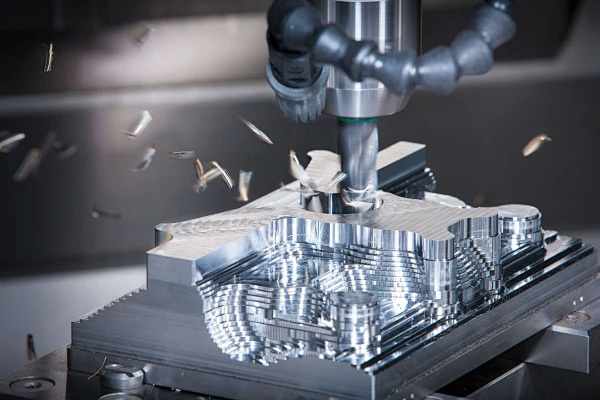
Construction machinery
Construction machinery

Mold manufacturing

Mold manufacturing

Home appliances

Home appliances

Kitchen and bathroom utensils

Kitchen and bathroom utensils

Blog


-- Insight into the development of the industry, focusing on the dynamics of Taitian Heavy Industry Machinery--
From Tradition to Modernity: The Evolution of Composite Material Hydraulic Presses

In the industrial sector, hydraulic presses are virtually ubiquitous. However, as times have changed, the design and materials of these machines have undergone profound transformations—most notably with the advent of composite‑material hydraulic presses, which have breathed new life into this traditional piece of equipment. So how exactly have composite‑material hydraulic presses made the leap from tradition to modernity? Let’s take a closer look. The limitations of traditional hydraulic presses In the early days of hydraulic press development, metal was the material of choice. While metals offer excellent strength and durability, they also come with significant drawbacks. First, their heavy weight makes the overall machine bulky, complicating transportation and installation. Moreover, under high‑load conditions, metals are prone to fatigue; prolonged operation can lead to equipment failure, driving up maintenance costs. Do these issues remind you of your aging machinery? Indeed, it is precisely because of these limitations that industry has been eager to explore new materials to enhance the performance and efficiency of hydraulic presses. The rise of composite materials With advances in technology, composite materials have increasingly captured our attention. The introduction of composite‑material hydraulic presses not only addresses many of the shortcomings of conventional metal‑based models but also delivers a host of additional benefits. For one, composites have a lower density, significantly reducing the overall weight of the machine.

30


06

2026

From Tradition to Modernity: The Evolution of Composite Material Hydraulic Presses

In the industrial sector, hydraulic presses are virtually ubiquitous. However, as times have changed, the design and materials of these machines have undergone profound transformations—most notably with the advent of composite‑material hydraulic presses, which have breathed new life into this traditional piece of equipment. So how exactly have composite‑material hydraulic presses made the leap from tradition to modernity? Let’s take a closer look. The limitations of traditional hydraulic presses In the early days of hydraulic press development, metal was the material of choice. While metals offer excellent strength and durability, they also come with significant drawbacks. First, their heavy weight makes the overall machine bulky, complicating transportation and installation. Moreover, under high‑load conditions, metals are prone to fatigue; prolonged operation can lead to equipment failure, driving up maintenance costs. Do these issues remind you of your aging machinery? Indeed, it is precisely because of these limitations that industry has been eager to explore new materials to enhance the performance and efficiency of hydraulic presses. The rise of composite materials With advances in technology, composite materials have increasingly captured our attention. The introduction of composite‑material hydraulic presses not only addresses many of the shortcomings of conventional metal‑based models but also delivers a host of additional benefits. For one, composites have a lower density, significantly reducing the overall weight of the machine.

30


06

2026

How can composite material hydraulic presses improve production efficiency?

In today’s manufacturing landscape, production efficiency seems to be paramount—especially in the composites industry, where boosting efficiency has become a key objective for every company. Have you ever considered how a composite‑material hydraulic press can enhance productivity? Let’s explore this topic together. The Basic Principle of Composite‑Material Hydraulic Presses First and foremost, understanding the fundamental operating principle of a composite‑material hydraulic press is essential. Simply put, a hydraulic press uses fluid pressure to generate force, enabling the shaping, pressing, or other forms of processing of materials. For composite materials, this powerful force can effectively bond different components, enhancing the strength and durability of the final product. So, how exactly does a composite‑material hydraulic press drive greater efficiency in production? 1. Highly Efficient Production Processes Imagine being able to accomplish more tasks in less time. This is precisely where the high efficiency of a composite‑material hydraulic press shines: its streamlined production process. Compared with traditional manufacturing methods, hydraulic presses significantly shorten forming cycles. By optimizing the hydraulic system and minimizing idle times, companies can produce more parts within the same timeframe. Doesn’t that make you wonder whether businesses using composite‑material hydraulic presses…

15


06

2026

Innovation in Hydraulic Presses: Best Practices for Composite Material Molding

In modern manufacturing, hydraulic presses are playing an increasingly vital role. As sophisticated mechanical devices, they harness fluid pressure to perform a wide range of forming processes. In the context of composite material production, innovations in composite‑material hydraulic presses have undoubtedly opened up new opportunities for the industry. So what exactly makes composite‑material hydraulic presses so unique? In this article, we will delve into best practices for these machines, offering you a fresh perspective on this dynamic field. The Rise of Composite Materials Composite materials combine the properties of two or more constituent materials, delivering exceptional strength and durability that make them indispensable across aerospace, automotive, construction, and other sectors. Think of composites as superheroes—blending the best attributes of different materials to achieve both lightweight performance and remarkable robustness. However, successfully shaping these advanced materials relies heavily on the support of hydraulic presses. The Basic Principle of Hydraulic Presses At its core, the operating principle of a hydraulic press is straightforward: it uses the power of fluids to generate motion, thereby applying immense pressure. It’s akin to an invisible hand, effortlessly pressing materials into the desired shapes. Composite‑material hydraulic presses play a critical role in this process, precisely controlling both pressure and temperature to ensure superior quality and efficiency in forming operations.

31


05

2026

Electronic Servo Press Manufacturers: A Key Player in Empowering Modern Manufacturing

Electronic servo press manufacturers: A key player in modern manufacturing On the stage of contemporary manufacturing, electronic servo press manufacturers are assuming an increasingly vital role. As technology advances and market demands evolve, traditional machinery can no longer keep pace with the need for high‑efficiency, precision‑driven production. With their outstanding performance and versatile applications, electronic servo presses have become the “secret weapon” behind the industry’s transformation and upgrade. The advantages of electronic servo presses begin with their remarkable precision. Imagine crafting a delicate piece of art—any slight deviation could significantly compromise the final result. By leveraging cutting‑edge servo control technology, these presses deliver highly accurate pressure regulation, ensuring that every stamping operation is executed with pinpoint accuracy. This not only elevates product quality but also minimizes material waste. Moreover, the boost in efficiency is another compelling benefit that cannot be overlooked. Conventional mechanical systems often suffer from wear or design limitations, leading to reduced productivity. In contrast, electronic servo presses dynamically adjust both pressure and speed, enabling a faster production cycle. Picture this: tasks that once took hours can now be completed in mere minutes. Such enhanced efficiency not only meets growing demand…

23


06

2026

Partners


Partner
Partner
Partner
Partner
Partner
Partner
Partner
Partner
Partner
Partner
Partner
Partner
Partner
Partner
Partner
Partner